Table of Content
Soak in a warm bath mixed with hydrogen peroxide to treat boils. Apply the oil to your cracked heels every night, and keep your feet moisturized and protected. You can also try paraffin wax, which softens calluses and cracks while relieving irritated skin.

Let it work for three minutes and then rinse with plain water. Toothbrushes, retainers, and sports mouth guards can be disinfected by a quick soak in hydrogen peroxide. Hydrogen peroxide works like a charm when it comes to cleaning things we think are impossible to clean. It also makes for an excellent disinfectant and has various uses in your home and garden. Combine equal parts hydrogen peroxide and water in a dark colored spray bottle and apply to skin affected by foot fungus each night to stop fungal growth.
Use It as a Foot Soak
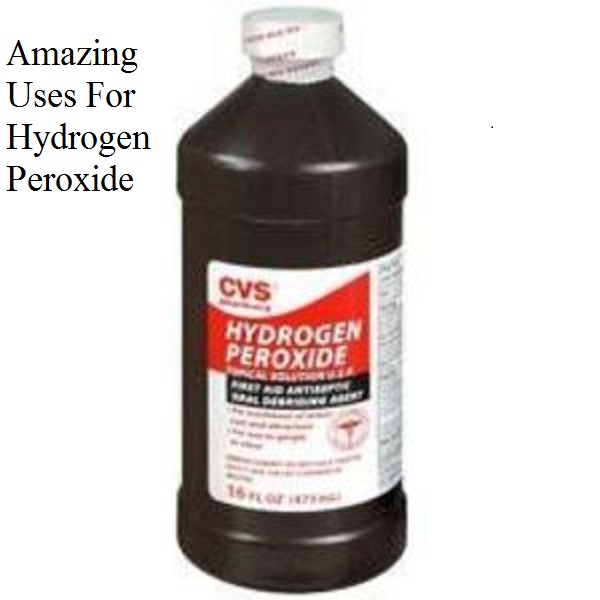
There are many uses for hydrogen peroxide you're probably familiar with and others that may surprise you. Here are the most common ways to use hydrogen peroxide around the home. Hydrogen peroxide has a shelf life of approximately six months after opening and should be stored in a cool, dark place. A quick spritz with hydrogen peroxide will keep them safe to use.
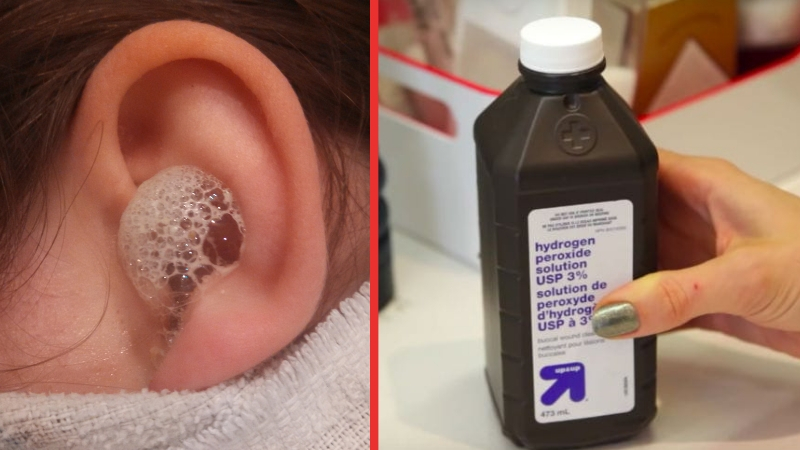
You should not take any action before consulting with a healthcare professional. Make a mixture of equal parts of hydrogen peroxide and lukewarm water. Swish around in your mouth for 30 seconds, spit out and rinse with regular water. Ward off mold from your plants by adding hydrogen peroxide to some water. Hydrogen Peroxide also called H2O2 is one of the best natural cleaning agents that you need to have in your cleaning closet. It is so versatile and has been proven to be effective in stain removal and cleaning around the home.
How Do You Sterilize Seeds With Hydrogen Peroxide?
Using hydrogen peroxide is a good way to clean the toilet bowl. Just pour half a cup into the toilet and leave for around 30 minutes. If you want to maintain good oral health, giving your toothbrush a good cleaning every now and then is a great place to start. Once a week, soak your toothbrush in 3% hydrogen peroxide for 10 minutes and then rinse well. If you don't like usingchlorine bleach, add some hydrogen peroxide instead to a load of dingy white clothes. Add one cup of hydrogen peroxide to the washer or automatic bleach dispenser before adding water or clothes.
One kitchen surface that deserves its own entry is the humble cutting board. You can clean your countertop all you want but you still risk disease if your cutting board is not as germ-free. After all, your cutting board is another surface that your food comes into contact with before it eventually winds up on your plate. Not just that, hydrogen peroxide can also be used to clean your makeup brushes & blenders, shaving brushes, and all your other similar cleaning tools.
Use Hydrogen Peroxide at Home
That's because hydrogen peroxide has been shown to improve lung function in people with chronic obstructive pulmonary disease . If you have COPD, mix three parts of water to one part hydrogen peroxide and inhale the vapors every day using a humidifier. This will help clear congestion from your lungs, making your breathing easier and more regular. Note that if you are pregnant or breastfeeding, speak to your doctor before trying this.
The hydrogen peroxide breaks down the seed coat, increasing the rate at which the seeds can absorb oxygen. You can use hydrogen peroxide before planting to help improve your germination rate at home. The same disinfecting properties in peroxide will remove blood stains from sheets and clothes. Mix peroxide half with water and spray the diluted peroxide directly on the blood stain as the best way to get dried blood stains out of fabric. Add a few drops to the dishwasher to give your detergent a boost.
Surprising Ways to Use Hydrogen Peroxide Around the Home
Mix 1/4 cup hydrogen peroxide, 1/4 cup baking soda, and 1/4 cup water in a bowl. Use a soft-bristled brush to work the solution intounderarm stainsand allow it to sit for at least 30 minutes. Give it one more final scrub with the brush and then wash as usual. After you've cleaned out your refrigerator and before you add that new box of baking soda, spray the inside with hydrogen peroxide to kill any lingering bacteria. Let it work for several minutes and then wipe down with plain water.

Combine equal parts peroxide and warm water in a shallow disk, and then soak your sponges in the mix for about 10 minutes. Dehumidifiers and humidifiers are breeding grounds for mold and bacteria due to their perfect environmental conditions – moisture and warmth. Keep these appliances clean so you can breathe easier by running a half and half solution of water and hydrogen peroxide through them every month.
Mix a foot soak with one part hydrogen peroxide to three parts warm water. The same treatment will help protect against spreading athlete's foot fungus and even soften calluses and corns. Don’t use it on your skin, don’t swallow it, and don’t try strong concentrations of food-grade hydrogen peroxide to try to cure illness. When used properly, hydrogen peroxide is still a helpful household disinfectant and health aid. If you have a water feature or koi pond, you can safely treat the water to reduce or remove harmful algae. Gardening experts at Get Busy Gardening used 1/2 cup of 3 percent hydrogen peroxide to clear a 90-gallon pond.
It consists of two hydrogen atoms covalently bonded to oxygen–oxygen single bond, stabilized by a peroxide bond. Hydrogen Peroxide is one of those multipurpose household items that most people don’t think twice about. Hydrogen peroxide can reduce the likelihood that you’ll get sick if you use it to disinfect surfaces, produce, and other items in your home. Breathing it in at higher concentrations could also cause irritation of your airways, tightness in your chest, hoarseness, or shortness of breath.
If you want to sanitize a load of dishes to get them really clean, add two ounces of hydrogen peroxide to your dishwasher, along with your regular detergent. You can also add the same amount right into your dish soap bottle and wash your dishes by hand with the added peroxide. Add two cups of hydrogen peroxide to the empty washing machine drum. This should be done monthly, especially if the weather is humid. Using hydrogen peroxide is also far less expensive than buying products specifically formulated to clean your washing machine. Dust mitesthrive on the small bits of skin we shed in our homes, particularly in the bedroom.




No comments:
Post a Comment